Is Wichita's Water Hard? What It Means for Your Plumbing and Water Softeners
Wichita homeowners deal with some of the hardest tap water in Kansas, and understanding what that means for your plumbing can help you protect your home. If you have noticed white crusty buildup on your faucets, spots on dishes, or a water heater that wears out too fast, hard water may be the cause. Water softeners are one of the most effective tools for managing hard water in Wichita, KS, and this post explains why that matters and what your options are. Call David Lies Plumbing Inc. at (316) 945-0117 to schedule a free estimate today.
What Is Hard Water?
Wichita sits in Sedgwick County, where expansive clay soil holds water against foundation walls and increases hydrostatic pressure after heavy rain. Flash flooding events remind us how quickly groundwater can rise. Homes in FEMA-designated Zone AE areas face the highest risk, but stormwater backup can affect neighborhoods well outside the mapped floodplain.
How Hard Is Wichita's Water?
Wichita's tap water averages around 8.8 GPG, or approximately 150 PPM, putting it in the moderately hard to hard range. The city draws from two primary sources: Cheney Reservoir and the Equus Beds Aquifer near Halstead. Both naturally carry elevated mineral content from the geology of Sedgwick County, KS.
Wichita runs a lime-softening treatment process before water reaches your tap, which reduces hardness somewhat. Even so, the mineral levels that remain are high enough to cause scale buildup in pipes, water heaters, and fixtures across the metro area, including neighborhoods near Maize Road, 21st Street, and the Kellogg corridor.
Signs Hard Water May Be Damaging Your Plumbing
Hard water leaves evidence throughout your home. Watch for these warning signs:
- White or yellowish scale on faucet aerators and showerheads.
- Spots and film on dishes and glasses even after washing.
- Reduced water pressure from mineral buildup inside pipes.
- A water heater that takes longer to heat water or needs early replacement.
- Soap that lathers poorly and leaves residue on skin or hair.
- Laundry that comes out stiff, faded, or dingy.
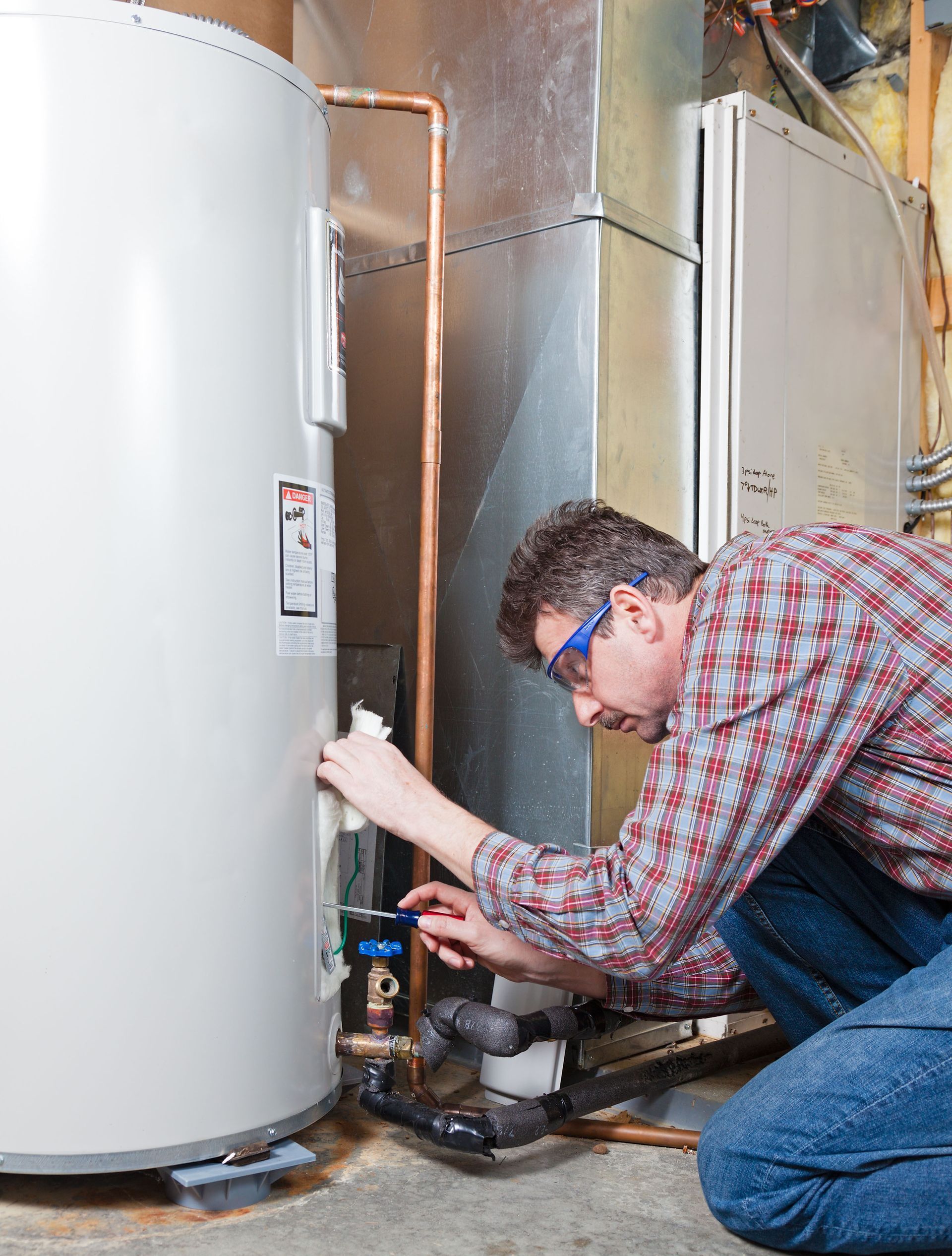
Scale inside your water heater tank acts as insulation, forcing the unit to work harder and use more energy, which shortens its lifespan. Mineral deposits also clog faucet aerators, restrict flow, and corrode internal valve components. Even high-quality premium faucets and fixtures can fail prematurely if hard water goes unaddressed
Solutions That Can Help Wichita Homeowners
Whole-house water softeners are the most common and effective solution. They work through ion exchange, swapping calcium and magnesium for sodium ions, which prevents scale from forming throughout your entire plumbing system. For Wichita residents dealing with hardness levels around 8 to 11 GPG, a properly sized system makes a significant difference.
A reverse osmosis (RO) system is another option, typically treating water at a single point of use such as the kitchen sink. Some homeowners combine a whole-house softener with a point-of-use RO unit for comprehensive coverage. Sizing, installation quality, and maintenance all affect performance, so a licensed plumber can assess your home and recommend the right setup.
You can find us on Google Maps for business details and location information.
When to Call a Plumber
Consider calling a plumber if you notice any of the following:
- Scale buildup so heavy it has restricted flow at multiple fixtures.
- A water heater underperforming or producing discolored water.
- Corroded pipe joints or fittings worn down by mineral deposits.
- You want water softeners or an RO system professionally installed and sized correctly.
Hard water damage compounds over time. Addressing it early can help you avoid more costly repairs later.
Frequently Asked Questions About Hard Water in Wichita
Is Wichita's Tap Water Safe to Drink?
Yes. Wichita's municipal water meets federal drinking water standards. Hard water is not a health risk. The concern is its impact on plumbing, appliances, and fixtures.
How Do I Know If I Need a Water Softener?
Look for visible scale on faucets and showerheads, spots on dishes, or a water heater losing efficiency. A plumber can test your water hardness and help you determine whether water softeners make sense for your home.
Will a Water Softener Affect My Water Heater's Lifespan?
It can help extend it. Softened water reduces scale accumulation inside the tank, allowing the heating element to work more efficiently and reducing how often the unit needs replacement.
Can Hard Water Damage My Faucets?
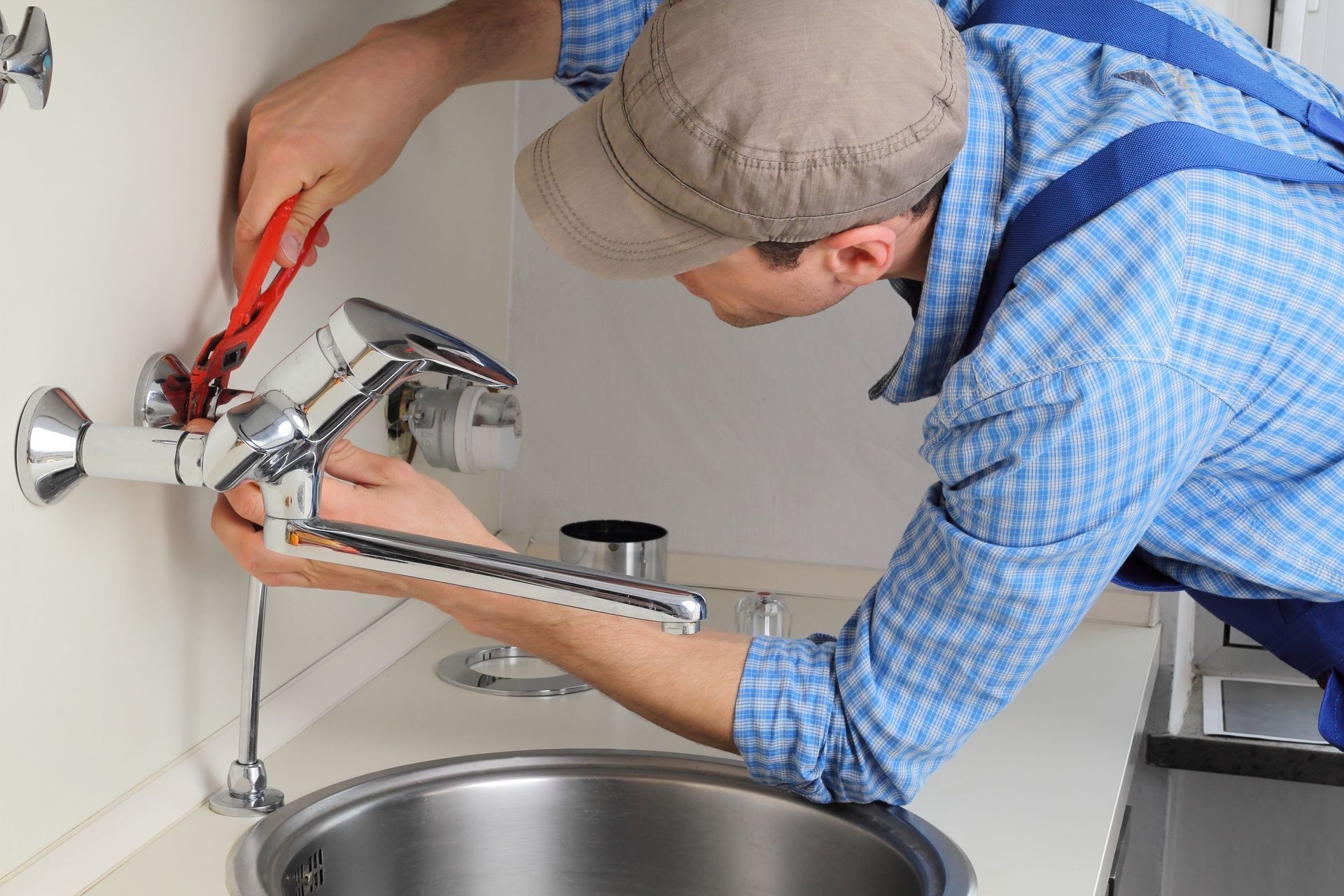
Yes, over time. Mineral deposits clog aerators, corrode valve seats, and restrict flow. Addressing hard water proactively helps protect your investment in quality fixtures.
Does Wichita's Lime-Softening Treatment Eliminate Hard Water?
It reduces hardness but does not eliminate it. After treatment, Wichita tap water still registers in the moderately hard to hard range, which is enough to cause long-term scale buildup in residential plumbing.
Protect Your Wichita Home With the Right Plumbing Partner
Hard water is one of the most common and overlooked plumbing challenges facing Wichita homeowners, and it is manageable. Whether you need water softeners installed, a faucet replaced due to mineral damage, or a water heater assessed for scale buildup, acting sooner can save you money and extend the life of your plumbing system. Contact us to request a free estimate, or call (316) 945-0117 to speak with a licensed plumber. David Lies Plumbing Inc. has been serving Wichita homeowners since 1978 and is ready to help you find the right solution.